
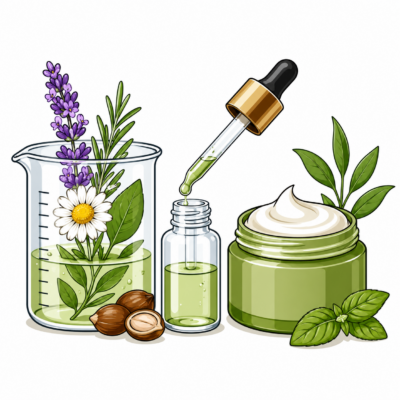
Creating a skin care product may look simple from the outside, but behind every finished cream, serum, cleanser, or balm is a thoughtful process of research, testing, refinement, and care. For brands like Bodywell Natural Skin Care Inc., the journey from idea to finished formula involves balancing natural ingredients, product performance, safety, texture, stability, and customer needs.
A well-made product is not just about what goes into the jar or bottle. It is about why each ingredient is chosen, how the formula feels on the skin, how it performs over time, and how it fits into a complete skin care routine.
What Does Skin Care Formulation Mean?
Skin care formulation is the process of combining ingredients in specific amounts to create a safe, stable, and effective product. A formula may include oils, butters, waters, botanical extracts, emulsifiers, humectants, preservatives, antioxidants, clays, exfoliants, or fragrance components, depending on the product type.
Natural skin care formulation often focuses on ingredients derived from plants, minerals, or naturally inspired sources. However, “natural” does not automatically mean simple. Natural ingredients still need to be selected carefully, tested properly, and used at appropriate levels.
At Bodywell Natural Skin Care Inc., the goal is to create skin care that feels thoughtful, balanced, and enjoyable to use while supporting everyday self-care.
Step 1: The Product Idea
Every skin care product starts with an idea. This may come from customer feedback, seasonal needs, ingredient inspiration, market trends, or a gap in an existing product line.
For example, a brand may ask:
What skin care concern should this product support?
Should it be lightweight, rich, soothing, exfoliating, or moisturizing?
Is it designed for daily use or occasional use?
Does it fit with the values of natural care?
This stage helps define the purpose of the product. A clear idea makes the rest of the process easier because every decision can be measured against the product’s main goal.
Step 2: Research and Ingredient Selection
Once the concept is clear, the research begins. Ingredients are chosen based on their function, feel, compatibility, and role in the overall formula.
Common ingredient categories include:
- Humectants, which help attract moisture to the skin.
- Emollients, which soften and smooth the skin.
- Occlusives, which help reduce moisture loss.
- Botanical extracts, which may offer supportive skin care benefits.
- Emulsifiers, which help oil and water blend together.
- Preservatives, which help keep water-based products safe during use.
For a natural skin care brand, ingredient selection also considers sourcing, sustainability, simplicity, and customer preferences. Bodywell products are designed with a focus on skin-friendly care, natural inspiration, and practical daily use.
Step 3: Creating the First Sample
After the ingredient research is complete, the first lab sample is made. This is where the idea becomes a physical product.
A formulator carefully weighs each ingredient, follows a specific method, and records every step. Even small changes in temperature, mixing speed, or ingredient order can affect the final texture.
The first sample may not be perfect. It may feel too greasy, too thin, too thick, too sticky, or not absorb the way intended. This is normal. Skin care product development is a process of adjusting and improving.
Step 4: Testing Texture, Feel, and Performance
Once a sample is created, it is evaluated for sensory qualities. This includes how the product looks, smells, spreads, absorbs, and feels after application.
A moisturizer, for example, may need to feel rich but not heavy. A cleanser may need to rinse clean without leaving the skin feeling tight. A body butter may need to melt smoothly into the skin without feeling overly oily.
This step is especially important because customers often decide whether they like a product based on the experience of using it. A formula can have excellent ingredients, but if it does not feel pleasant, people may not continue using it.
Step 5: Refining the Formula
The refinement stage may involve several rounds of changes. A formulator might adjust the oil blend, reduce or increase the thickness, change the emulsifier system, modify the scent level, or improve the finish on the skin.
This is also where comparisons are helpful. A new formula may be compared with existing products to understand how it fits into the brand’s collection.
For example:
- A lotion may be lighter than a cream.
- A balm may be richer than a body butter.
- A gel cleanser may feel fresher than a cream cleanser.
- An oil serum may offer a different finish than a water-based serum.
These comparisons help customers choose the best product for their skin care routine.
Benefits of a Careful Formulation Process
A thoughtful development process has many benefits. It allows a brand to create products that are more consistent, enjoyable, and suitable for their intended purpose.
Some benefits include:
- Better texture and application.
- More balanced ingredient combinations.
- Improved product stability.
- A better customer experience.
- Clearer product positioning.
- Greater confidence in the final formula.
For Bodywell Natural Skin Care Inc., this process supports the creation of natural skin care products that are practical, polished, and aligned with the brand’s values.
Possible Downsides and Challenges
Product development also comes with challenges. Natural ingredients can vary slightly from batch to batch because they come from natural sources. Some botanical ingredients may affect color, scent, or texture. Certain formulas may require more testing to remain stable over time.
There are also practical considerations. A beautiful ingredient may be too costly, difficult to source consistently, or incompatible with the rest of the formula. A natural fragrance may smell lovely at first but change over time. A rich texture may feel luxurious but may not suit every skin type.
These challenges are part of the reason formulation takes patience. The goal is not only to create something appealing but to create something dependable.
Step 6: Stability and Safety Considerations
Before a product is ready for customers, it must be assessed for stability and safety. Stability testing looks at how a formula holds up under different conditions, such as heat, cold, light, and time.
A formula may be checked for changes in:
- Color.
- Scent.
- Texture.
- Separation.
- Thickness.
- Overall appearance.
Water-based products also require appropriate preservation to help protect the formula during normal use. This is an important part of responsible skin care development, including natural skin care.
Step 7: Packaging Selection
Packaging is more than decoration. It can affect product freshness, ease of use, and customer experience.
A thick cream may work best in a jar or pump. A facial oil may need a dropper bottle. A cleanser may be better suited to a squeeze tube or pump bottle. The packaging must also work with the formula itself, since some ingredients may interact with certain materials.
For Bodywell, packaging choices should support the product’s purpose, protect the formula, and reflect the clean, professional feel of Bodywell Natural Skin Care Inc.
Step 8: Final Review and Production
Once the formula, testing, and packaging are complete, the product can move toward production. The final formula is documented carefully so it can be made consistently.
This includes ingredient percentages, processing steps, temperatures, mixing times, packaging instructions, and quality checks. Consistency is essential because customers expect the same product experience each time they purchase.
From Concept to Care
The journey from idea to finished formula is both creative and technical. It involves inspiration, ingredient knowledge, testing, patience, and attention to detail. A finished skin care product is the result of many thoughtful decisions, not just a simple mixture of ingredients.
At Bodywell Natural Skin Care Inc., natural skin care is about more than following trends. It is about creating products with purpose, care, and respect for the skin. From the first idea to the final formula, each step helps shape a product that customers can enjoy as part of their everyday self-care routine.